History
History of Samana
Key Historical Facts about Samana:
Medieval Period: Following the conquests of Shahab-ud-Din Muhammad Gauri, the town was entrusted to Qutb ud-Din Aibak in 1192.
Mughal Era: It was a prosperous pargana under the sarkar of Sirhind and listed in the Ain-i-Akbari, but also known for serving the Mughal administration with professional executioners, including those who executed Guru Tegh Bahadur and the younger sons of Guru Gobind Singh.
Sikh Conquest:
Due to its role in the deaths of the Sikh Gurus’ family members, Samana was among the first places targeted by Banda Singh Bahadur, who conquered it in 1709, setting up the first Sikh state.
Patiala State: It was later taken by Maharaja Ala Singh, the founder of Patiala State, in 1742 and recognized as part of his territory by Ahmad Shah Durrani.
Significance:
It serves as a pilgrimage site with historical sites like Gurudwara Garhi Sahib and Thada Sahib.
Today, Samana is a commercial and agricultural hub in Punjab.
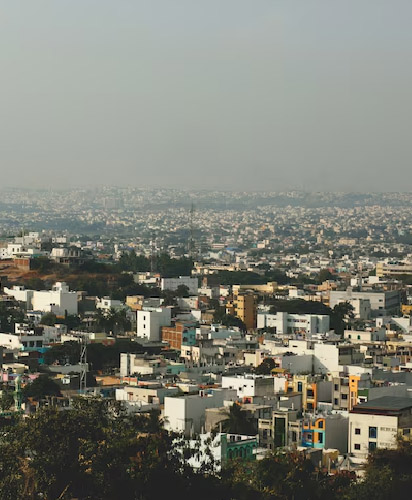
Samana was named after the wife of Imam Muhammad at-Taqi, respected by both Sunnis and Shias, by their five sons (namely Imam Mash’had Ali who moved from Mashhad to the present day Samana because of political tensions with the then Abbasid Caliphate’s Caliph Al-Ma’mun after Al-Ma’mun poisoned and killed their father Imam Ali al-Ridha. After they got settled in the area, they named the place after their mother; Later, Mash’had Ali died there and his shrine is also located there and many Muslims go there to participate in the annual Symposium held in the premises of the Shrine.
Later the history is traced to the days of Raja Jaipal who ruled over, among others, the territories of Bathinda and Samana. It was included within the territory of Shahab-ud-Din Muhammad Gauri after the conquest of Ajmer and Delhi and was entrusted to Qutb ud-Din Aibak in 1192, along with the territories of Ghuram and Sunam.
While Samana is said to be a place of saints and scholars during the Mughal days, it was notorious also for its professional executioners, who served at Delhi and Sirhind. “Sayyad Jala-ud-Din”, who was ordered to execute Sikh guru Guru Teg Bahadur ji at Delhi in 1675 was from Samana. Baig brothers, who were ordered to execute the younger sons of Guru Gobind Singh ji, 6 years old Sahibzada Fateh Singh and 9 years old Sahibzada Zorawar Singh, also belonged to Samana.[2][3] This town was therefore one of the first places to have been sacked by the Sikh rebel Banda Singh Bahadur. He had to give up Samana towards the end of 1710 AD when it was retaken by the Mughals. The Sikhs retook it once again in 1742 AD under the leadership of Maharaja Ala Singh, the founder Maharaja of the Patiala State, and was recognized as a part of his territories by Ahmad Shah Durrani.